
We Read the Complaints Before You Pay for the Tool.
BBB complaints, refund policies, court filings, and hundreds of verified user reviews on the tax and bookkeeping tools freelancers pay for. The tools that decide whether tax time costs you a weekend or six grand. No paid placements. Start with the decision thousands are facing right now: where to go when QuickBooks Self-Employed shuts down.
You set aside 25% for taxes. You owed 32%. You’re mixing personal and business money because it feels too late to fix. You’re sending your third ‘just following up’ email to a client who owes you $3,200. None of this is because you’re bad at this. It’s because no one told you how the money side actually works.
I read hundreds of user reviews, BBB complaints, Reddit threads, and pricing docs — then turn that research into buying guides where every claim has a receipt. You pick tools based on evidence, not marketing copy.

Hi, I’m Gareth Noble.
I’m not a CPA. I’m a guy who spent 20 years coaching teams at companies like Amazon, P&G, and Emirates, who got tired of watching capable freelancers I’d trained burn out trying to figure out the money side of going independent.
So I started doing the homework most affiliate sites skip. I read 200 BBB complaints before recommending a tool. I pull real numbers from real users instead of vendor marketing decks. I tell you when something isn’t worth buying, and no vendor pays me to say otherwise.
Featured Guides

Sole Proprietorship vs LLC vs S-Corp for Freelancers
Pick the right business structure for your income level. Real break-even numbers, not generic advice.

FlyFin vs Keeper Tax 2026: Honest Comparison
The evidence-based breakdown. Real user reviews, BBB complaints, and pricing compared side by side.

Best Bank Accounts for Freelancers
Found vs Relay vs Novo vs Mercury compared on fees, features, and what freelancers actually use.
Schedule C Line by Line
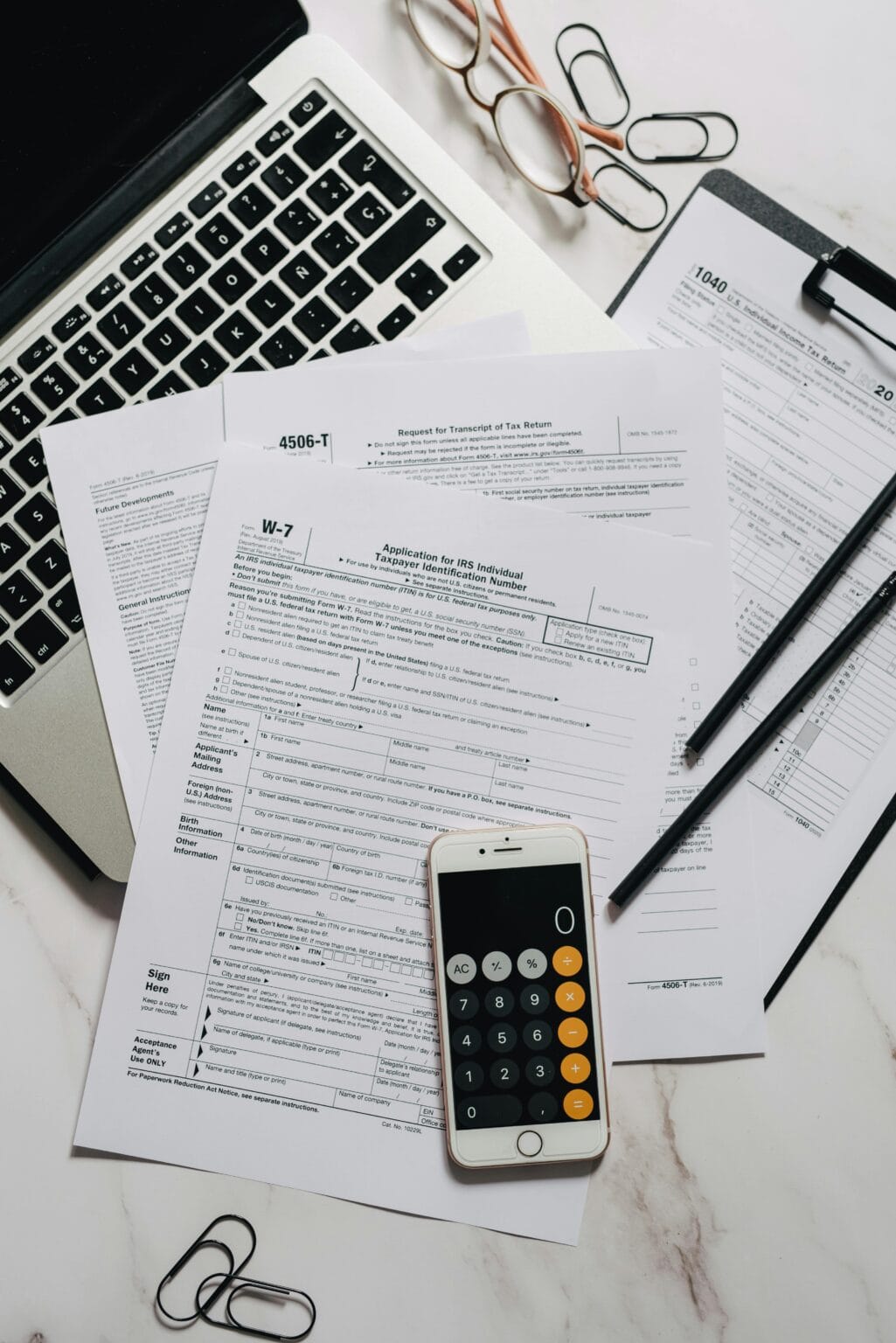
A walkthrough with real numbers. Stop guessing what goes on each line of your tax return.

How Much Should Freelancers Set Aside for Taxes?
Calculator and the actual math behind self-employment tax, federal, and state.

FreshBooks vs QuickBooks for Freelancers
An honest comparison after QBSE shutdown. Which tool actually fits a freelancer at your income level.
Tax & Bookkeeping Tools
Tax software, accounting tools, and bookkeeping services for freelancers. I pull together the receipts (verified user reviews, complaint patterns, and pricing from official docs) so you know what you’re paying for before you swipe the card.
Best Tax Software for Freelancers
FlyFin, Keeper Tax, and the alternatives. Which tax tool actually saves freelancers money?
FlyFin vs Keeper Tax 2026: An Honest Comparison
I read the bad reviews so you don’t have to. Real user reviews, BBB complaints, Reddit threads, and pricing docs compared side by side — so you can pick the AI tax tool that actually fits your work.
Get Your Free Freelancer Finance Toolkit
I’ve created a complete toolkit with templates, checklists, and guides to help you master your finances.
Includes:
- Cash Flow Forecasting Template (Google Sheet and PDF)
- Tax Deduction Checklist for Freelancers (47 items, PDF)
- Expense Tracking Checklist (PDF)
- Record Keeping Guide (PDF)
- Monthly Finance Tips by email
Frequently Asked Questions
What are the best AI finance tools for freelancers?
FlyFin and Keeper Tax are the two leading AI-powered tax tools built specifically for freelancers. Both use AI to scan your expenses and find deductions automatically. Read the full receipts-backed comparison: FlyFin vs Keeper Tax 2026. For accounting software, FreshBooks and QuickBooks Online now include strong AI features for expense categorization and invoicing.
What’s the best accounting software for freelancers?
FreshBooks consistently rates highest across Trustpilot, G2, and Capterra reviews for freelancer-friendly invoicing, expense tracking, and tax planning in one tool. See the full accounting software comparison for more options.
How much should I set aside for taxes?
30% is the common starting point, but it’s not enough for everyone. Many freelancers set aside 25% expecting a buffer, then owe 32%+ when self-employment tax, federal, state, and quarterly underpayment penalties stack up. The right number depends on your state, income level, and deductions. Read the full tax planning guide for a complete breakdown based on real numbers.
Do I need a separate business bank account?
Not legally required, but highly recommended. It makes expense tracking 10x easier and significantly reduces audit risk.
How long should I keep receipts?
Keep all receipts for 7 years. The IRS can audit back that far in certain situations. See the record keeping guide for a full breakdown by document type.